

A troubling case out of Lauderhill, Florida, serves as a reminder of why families should keep track of a loved one’s property after their death.
In July 2022, police discovered 71-year-old Dennis West deceased inside his home.
According to investigators, one of the responding officers, Brian Louis Sguros, later took possession of the property, moved in, and made extensive renovations. Authorities also allege that he used West’s personal information to obtain building permits and paid property expenses in the deceased homeowner’s name.
The officer was arrested on October 20, 2026. As of November 3, 2026, the criminal case remained pending.
West had surviving family members and legal heirs.
For families managing an inherited home, this case raises an important question: Who is keeping an eye on the property?
A home doesn’t stop needing attention because its owner has passed away.
Why Families Should Check on an Inherited Home After a Death
After losing a loved one, families often have funeral arrangements, financial matters, legal paperwork, and personal belongings to manage.
The home itself may receive less attention, particularly when relatives live elsewhere or have not decided whether to keep or sell the property.
A vacant inherited home can face maintenance problems, unauthorized entry, and fraudulent property claims.
There is no evidence that West’s family was negligent. However, the allegations highlight why families should establish a plan for monitoring a loved one’s property after death.
Protecting an inherited home involves both physical security and awareness of its legal status.
5 Ways to Protect a Loved One’s Home After They Pass Away
Families do not need to make every decision immediately. However, a few precautions can help protect the property while longer-term arrangements are being made.
1. Arrange for Regular Property Checks
If the home is vacant, arrange for a trusted person to check on it regularly. This could be a family member, authorized caretaker, private security service, or professional property inspection service.
During each visit, look for:
Damaged doors, windows, or locks.
Signs of unauthorized entry or occupancy.
Unexpected repairs or renovations.
Water leaks or maintenance problems.
Accumulating mail or unfamiliar notices.
Keep a record of each inspection, including dates, observations, and photographs.
If you live far away, request regular updates from the person checking the property.
2. Secure the Home and Monitor Access
After a homeowner dies, family members may not know who has keys or security codes.
Former caregivers, neighbors, contractors, or relatives may have received access while the owner was alive.
The person legally authorized to manage the property should review existing access arrangements and determine whether locks, garage codes, or security systems need changing.
Security cameras, exterior lighting, and alarm monitoring may provide additional protection.
Before updating locks or restricting access, confirm that no occupants or co-owners have legal rights that would be affected.
3. Check County Property Records for Unexpected Changes
One important lesson from the Lauderhill case is that checking the physical property may not reveal every problem.
Families should also monitor public records associated with an inherited home.
Depending on the county, these may include deeds, liens, property tax records, and other ownership documents.
Watch for unfamiliar names, unexpected transfers, or filings the family did not authorize.
Some counties offer property fraud alerts that notify registered users when documents are recorded under a monitored name or property.
These services cannot prevent fraud, but they may help identify suspicious activity.
If you discover an unexpected document, contact the appropriate county office and seek legal guidance.
4. Monitor Property Expenses and Maintenance
An inherited home continues to generate expenses even when nobody lives there.
These may include:
Property taxes and insurance.
Mortgage payments.
Utilities.
Lawn maintenance.
Emergency repairs.
Identify who is responsible for managing these obligations and maintain accurate payment records.
Contact the insurance provider to confirm coverage while the home is vacant. Some policies have special conditions or exclusions for unoccupied properties.
Document authorized repairs, contractors, and property improvements.
Keeping organized records can help families recognize unusual activity and prevent confusion during estate administration.
5. Confirm Who Has Legal Authority Over the Property
Being a relative or inheriting an interest in a home does not automatically authorize someone to sell it, remove belongings, or make major changes.
Legal authority may depend on a will, ownership documents, probate proceedings, or state inheritance laws.
An executor, estate administrator, surviving joint owner, or another authorized person may be responsible for decisions involving the property.
Before transferring ownership, arranging renovations, or disposing of belongings, confirm who has authority to act.
If the situation is unclear, consult an estate or probate attorney.
What If You Inherit a Home but Live Far Away?
Managing an inherited home from another city or state presents additional challenges.
You may not be available to inspect the property, meet contractors, or respond quickly when problems arise.
Consider identifying a dependable local contact who can conduct authorized inspections and report concerns.
Establish clear expectations about who can enter the property, approve repairs, and communicate with professionals.
A written plan can help family members coordinate responsibilities without unnecessary confusion.
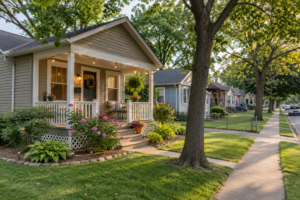
Can Someone Take Ownership by Moving Into an Inherited Home?
Simply occupying a home, paying its property taxes, or making renovations does not automatically establish legal ownership.
However, forged documents, fraudulent ownership claims, and adverse possession disputes can create legal complications.
Adverse possession has specific legal requirements and timeframes that vary by state. Although someone cannot automatically claim ownership simply by occupying a vacant home, extended unauthorized possession may eventually support a legal claim if all applicable requirements are met.
The sooner unauthorized occupancy is discovered, the easier it may be to address before the situation develops into a more complicated legal dispute.
Regular property checks can help families identify unauthorized occupants, document concerns, and take appropriate legal action.
If someone appears to have taken possession of an inherited home without permission, contact law enforcement, document the situation, and seek legal advice rather than attempting a confrontation or unauthorized eviction.
Suspected fraud or criminal activity should be reported to the appropriate authorities.
Protecting a Loved One’s Home Starts With Paying Attention
The allegations involving Dennis West’s property are a reminder that families should understand what is happening with a loved one’s home after death.
Whether the property will eventually be kept, sold, or prepared for another transition, regular inspections, secure access, accurate records, and clear legal authority are important.
A home doesn’t stop needing attention because its owner has passed away.
Start with the home. Know who is responsible. Keep track of what is happening.
Erejuve | Practical guidance for caring for a loved one’s home after loss.
Sources
Local 10 News — Lauderhill police officer accused of taking over dead man’s home, October 20, 2026
Local 10 News — Officer resigns following property investigation, October 27, 2026
Associated Press — Florida officer accused of taking possession of deceased man’s home
- Broward Sheriff’s Office announcement
Disclaimer: This article provides general educational information, not legal advice. Property ownership, inheritance, probate, and occupancy laws vary by state.